January 11, 2026
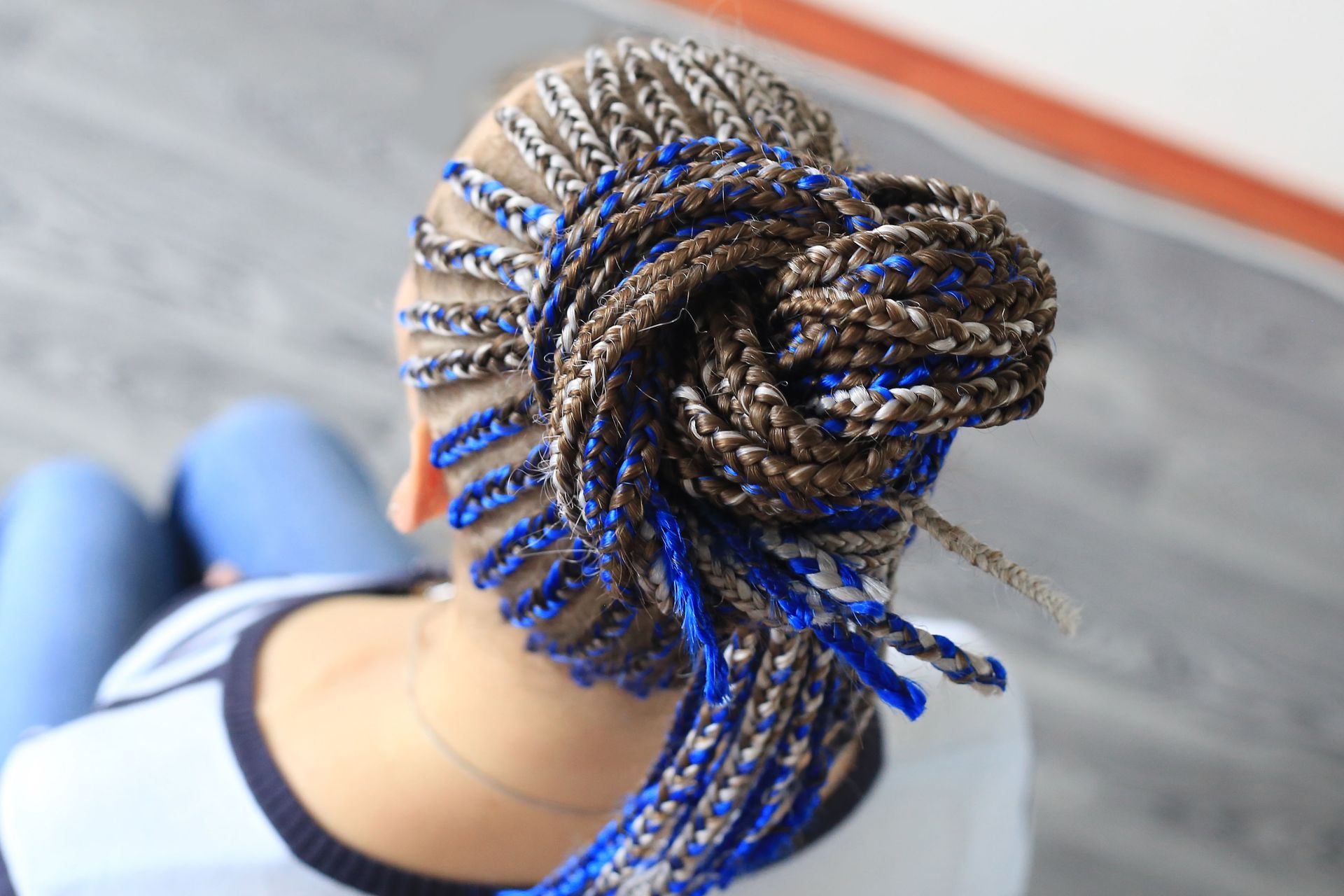
Hair braiding is more than a styling choice; it's a rich cultural tradition with roots that extend deep into the history of African societies. According to Custom Market Insights, the global hair braiding market is expected to maintain a CAGR of 3% between 2023 and 2032. With the increasing appreciation for natural textures in the hair care industry, African hair braiding has gained resurgence as a preferred styling method, particularly for those with natural hair. Keep reading to explore the cultural significance of African hair braiding, its historical roots, symbolic meanings, and its exceptional benefits for maintaining the health and integrity of natural hair.
The Cultural Significance
Historical Perspective
Hair braiding in African cultures dates back to 3500 BC, according to Odele, a hair care products provider, where intricate patterns signified various tribal affiliations, social positions, and even marital status. It evolved over the millennia, adapting to influences while retaining core cultural meanings. As Africans were dispersed globally through different migrations and the traumatic history of slavery, hair braiding became a crucial way to retain cultural identity amidst dislocation. Not merely a style but a historical document, braiding encompasses essential narratives about African ancestry and resilience. These traditions, when carried over generations, helped maintain a tangible link to the past.
Symbolism and Identity
In many African cultures, hair braiding serves as more than just a styling choice; it's an expression of one's self-identity and societal role. Each braid pattern can hold specific meanings, denoting age, religion, kinship, marital status, and even wealth. For many, the process of braiding is itself a way to showcase creativity and artistry, turning the head into a canvas of personal expression. This practice has been preserved through generations as a form of ancestral pride and recognition of one's cultural roots. Thus, braiding is not only a personal statement but a living testament to cultural narratives and identity.
Community and Social Aspects
Braiding often acts as a communal activity, nurturing bonds within families and wider communities. In many cultures, women and sometimes men gather to braid each other's hair, transforming the task into a rich social event that allows for the sharing of stories, wisdom, and life experiences. These braiding sessions build interpersonal connections and foster a sense of unity, reinforcing familial ties and community networks. The ritual itself is a testament to the power of collaboration and shared cultural practices. Moreover, it provides a safe space for both learning and passing down cultural stories and traditions to younger generations.
Carrying Tradition Forward
Today's generations continue to value traditional African hair braiding techniques, adapting and innovating them to meet modern fashion trends while preserving cultural heritage. This reinvention reflects both a reverence for the past and an eagerness to keep cultural practices relevant in a changing world. By blending traditional styles with contemporary aesthetics, younger generations pay homage to their roots while making space for personal and cultural evolution. This process of adaptation ensures that African hair braiding remains a vibrant and evolving expression of cultural identity and pride. Such innovation in turn ensures the continuity of these rich traditions while promoting widespread cultural appreciation.
Benefits of Hair Braiding to Natural Hair Health
Protection from Environmental Damage
Braids serve as an excellent protective hairstyle, shielding natural hair from environmental stressors such as sun exposure, wind, and pollution. Unlike loose styles, braids encapsulate the hair strands, reducing direct exposure to damaging elements. This means that when engaging in outdoor activities, braided hair is less prone to becoming dry, brittle, or damaged. Particularly in harsh weather conditions, a well-installed braid style acts as a protective barrier, allowing hair to thrive by minimizing damage accumulation. The long-term health of natural hair is significantly enhanced when consistently utilizing braids as a protective measure against environmental stresses.
Reduced Breakage and Split Ends
The integrity of natural hair is often compromised by frequent styling and manipulation, leading to breakage and split ends. Braiding reduces the need for daily styling, thereby minimizing physical stress on the hair shaft and promoting length retention. This is particularly beneficial for individuals with naturally fragile or tightly coiled hair textures that are prone to breakage. By securing the hair in braids, the risk of mechanical damage and tangling is also significantly reduced. Thus, opting for braids supports healthier hair by preserving the hair ends and thereby facilitating longer hair growth over time.
Moisture Retention
One of the foremost challenges faced by individuals with natural hair is moisture retention, as curly hair tends to lose moisture more quickly due to its structure. Braiding assists in locking in moisture by keeping the hair's natural oils intact and aiding in the even distribution of products applied to the hair. By covering the hair and minimizing its direct exposure to air, braids effectively create a microenvironment that prevents excessive moisture loss and maintains hydration. This not only prevents dryness but supports a healthier scalp environment, crucial for fostering optimal hair growth and managing conditions like dandruff.
Low Manipulation and Stress
African hair braiding significantly decreases the daily manipulation typically required for natural hair maintenance. Styles like box braids, twists, and cornrows allow individuals to spend less time and energy handling their hair, reducing the strain and stress that can lead to breakage. By minimizing these physical interactions, the amount of stress on the hair and follicles is reduced, promoting overall hair health and vitality. This low-manipulation aspect is one reason braiding is recommended as a go-to protective style for individuals aiming to grow their natural hair. The minimized physical intervention supports healthier hair over the long term.
Maintenance Tips for Braided Hair
Proper Moisturization Techniques
Maintaining moisture in braided hair is crucial for sustaining hair health and longevity. It's recommended to use a light oil or water-based moisturizer, concentrating on the scalp and hair ends to prevent dryness without causing buildup. Always consider using a spray bottle to distribute the product evenly, making sure it reaches the roots. Consistent moisturization helps prevent breakage and keep the braids looking fresh, but it's important to avoid over-saturating as it can lead to mildew or product buildup. By keeping braids well-moisturized, the hair underneath remains healthy and vibrant, ensuring effective protective styling.
Cleansing and Scalp Care
Regular cleansing is essential to maintain the health of the scalp and hair while wearing braids. Using diluted shampoos or specially formulated braid cleansers helps remove build-up and dirt without disrupting the style. Gently massaging the scalp with fingertips ensures thorough cleansing, promoting blood circulation and supporting healthy hair growth. Following a wash, individuals should carefully dry their hair, paying particular attention to ensure it's completely dry to avoid mildew growth. Embracing a routine that balances cleanliness with style longevity is key to maintaining a healthy scalp environment and vibrant-looking braids.
Preventing Frizz and Flyaways
To maintain the neat appearance of braids and limit frizz, it's important to adopt a careful maintenance routine. Regularly sealing the hair with light oils at the ends can prevent friction-related frizz. Additionally, protective styles and wraps can help maintain smoothness overnight, and re-braiding smaller sections can refresh braided styles after wear. Frizz control products or holding creams can further assist in reducing unruliness, keeping braids smooth and well-defined. Such practices not only enhance appearance but also ensure the style's longevity, helping individuals enjoy the best aesthetics and support given by their chosen braids.
Nighttime Protection
A key part of maintaining braids is ensuring nighttime protection using satin or silk scarves and pillowcases, which minimize friction and prevent frizz. Wrapping up the hair at night secures the braids in place, reducing displacement and maintaining an overall neat appearance. Nylon or cotton fabrics should be avoided as they can cause dryness by absorbing natural oils and moisture. By investing in silk or satin nighttime gear, the integrity of the braids is preserved, and the hair underneath is protected, ensuring it remains healthy and moisture-rich. Such mindful bedtime practices contribute significantly to the overall success of braided hairstyles.
African hair braiding is much more than a hairstyle—it's a vibrant cultural tradition that carries historical significance, fosters community connections, and serves as a form of personal and cultural expression. Beyond its cultural value, braiding offers substantial benefits for maintaining the health and integrity of natural hair, including protection from environmental damage, reduced breakage, enhanced moisture retention, and minimized manipulation. By embracing proper maintenance techniques such as moisturization, scalp care, frizz control, and nighttime protection, individuals can maximize both the aesthetic and protective advantages of their braids. As African hair braiding continues to evolve and gain recognition globally, it remains a powerful symbol of heritage, creativity, and the enduring connection between beauty and culture. Reach out to Constance African Hair Braiding today for your next hair braiding session.